


Amid increasingly intense competition, businesses are compelled to innovate in order to remain relevant in the market. Rebranding has become a critical strategy to ensure that a brand stays relevant and appealing to consumers. This process involves changes to brand identity, which may include a new name, logo, design, or other elements to refresh brand perception and strengthen market appeal.
So, when is the right time to rebrand, and how should it be done? Before answering those questions, let’s first understand the definition and benefits of rebranding.
What Is Rebranding?
Before exploring the definition, take a moment to look at the evolution of the logo of Apple.
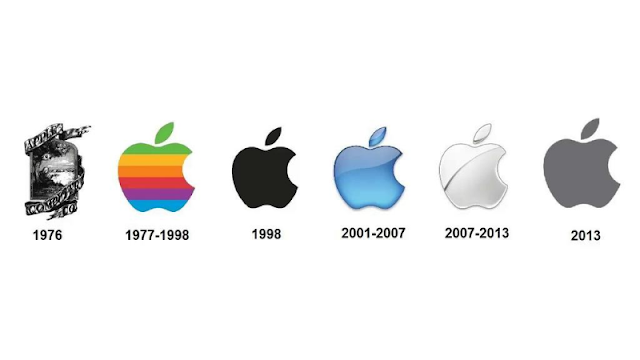
That logo transformation is a classic example of rebranding.
In general, rebranding is the process of changing a brand’s identity with the goal of renewing its image and repositioning it in the market. This process may involve changes to brand elements such as name, logo, slogan, packaging design, and communication messages to reflect shifts in a company’s vision, mission, or strategic direction.
Rebranding goes beyond surface-level visual updates. It often includes deeper changes in brand values, positioning, and perception.
Rebranding is commonly undertaken to improve brand image, attract new audiences, or introduce new products or services. This process requires a thorough analysis of how a brand is currently perceived and how it aims to be perceived in the future.
Over the past decade, which corporate or product rebranding do you find most compelling?
Benefits of Rebranding
Rebranding can be implemented by both small and large companies, whether newly established or long-standing organizations. It serves as a strategic effort to remain competitive in the market. Below are key benefits businesses can gain from rebranding:
-
Enhancing Market Relevance
As consumer trends and preferences evolve, rebranding helps brands stay relevant by refreshing their image and offering something new and engaging to audiences, target markets, or existing leads. -
Improving Brand Image
When a brand faces image challenges or a reputation crisis, rebranding can help reshape public perception and restore trust through a more positive brand image. -
Strengthening Competitive Differentiation
Rebranding allows brands to stand out from competitors by establishing a unique identity and delivering distinct value to consumers. -
Expanding into New Markets or Product Lines
Rebranding is often used to support market expansion or the launch of new products or services by aligning identity with new strategic objectives. -
Increasing Brand Awareness
A fresh and modern brand identity can capture audience attention and significantly boost brand awareness.
When Is the Right Time to Rebrand?
After understanding the definition and benefits, the next question is timing. Identifying the right moment is essential to ensure that rebranding delivers positive impact. Below are five situations that often signal the need for rebranding:
-
A Shift in Business Strategy
When a company changes its strategic direction or enters new markets, rebranding helps align brand identity with the new vision. -
Reputation Crisis
When a brand experiences reputational challenges, rebranding can help rebuild trust and improve public perception. -
An Outdated Brand Image
If a brand feels outdated and no longer resonates with its audience, rebranding can refresh its appeal. -
New Product or Service Launch
Introducing a significant new offering may require rebranding to ensure cohesion with an updated brand identity. -
Mergers or Acquisitions
In merger or acquisition scenarios, rebranding helps integrate different brand identities into a unified and cohesive image.
Based on these situations, where does your brand stand today? A detailed and objective brand analysis is essential before determining the next steps in your rebranding journey.
How to Build a Successful Rebranding Strategy
The success of a rebranding effort is heavily influenced by the strategy behind it. The right approach depends on brand conditions and business objectives. Below are strategic steps you can apply:
1. Conduct In-Depth Analysis
Analyze your brand’s current position, including audience perception and competitive landscape. Use customer surveys, market research, and feedback to understand needs and preferences.
2. Define Clear Rebranding Objectives
Identify the primary reasons for rebranding. Are you aiming to improve brand image, launch new products, or enter new markets? Clear objectives guide effective decision-making.
3. Develop a Relevant New Brand Identity
Based on insights gathered, develop new identity elements such as name, logo, design, and tagline. Ensure alignment with company vision and audience expectations.
4. Plan the Launch
Create a comprehensive launch plan detailing how the new identity will be introduced. This should include communication strategies, marketing campaigns, and activation initiatives.
5. Communicate the Change Effectively
Clearly communicate the rebranding rationale to customers, employees, and stakeholders. Explain why the change matters and how it benefits them.
6. Analyze and Evaluate
After launch, assess performance and impact. Use metrics such as sales data, customer feedback, and market response to evaluate effectiveness and refine where necessary.
Successful Rebranding Examples
1. Magnum
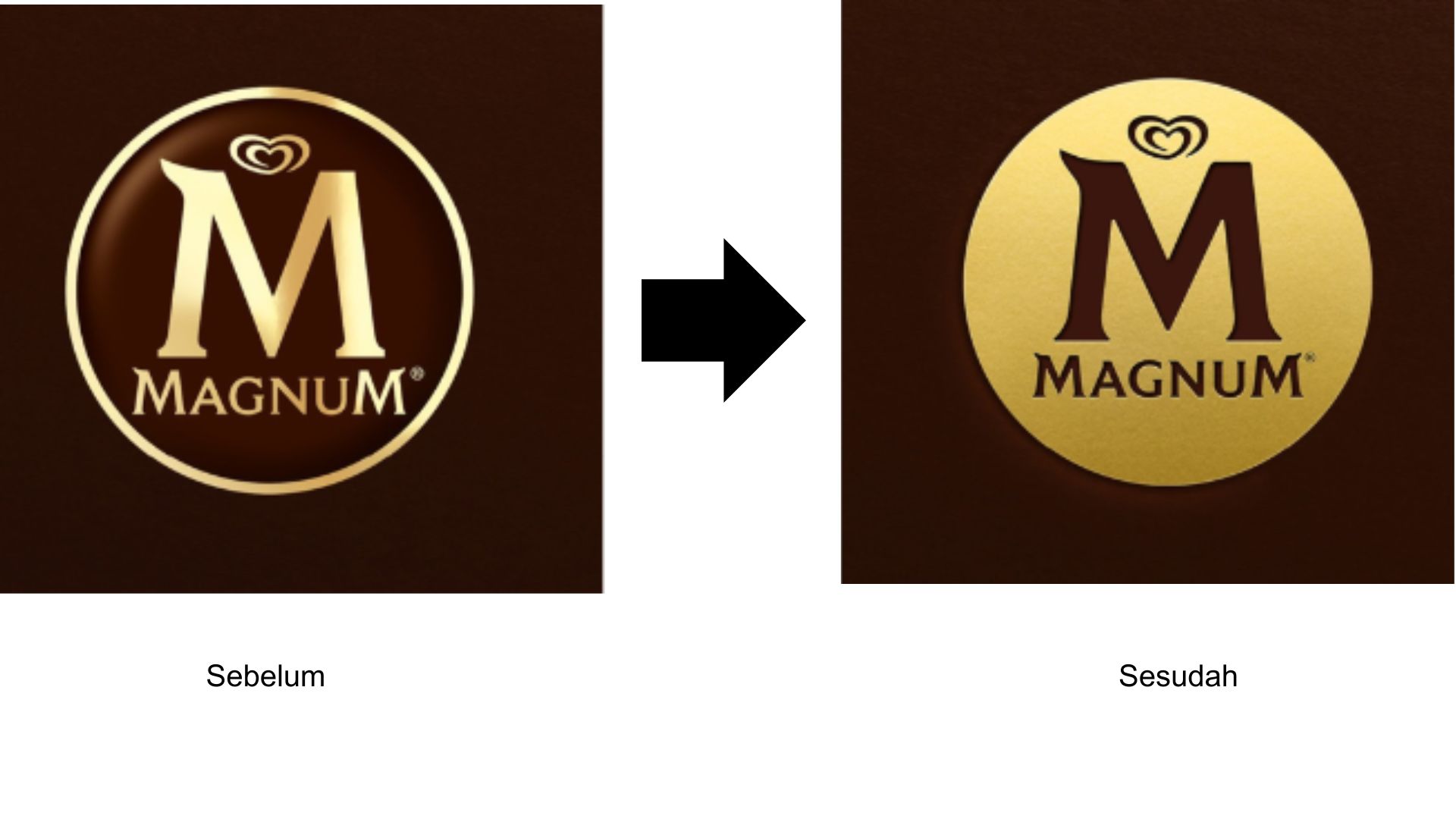
Are you an ice cream enthusiast? If so, you’re likely familiar with Magnum. In 2021, Magnum simplified its logo to broaden its market reach. The cleaner, more minimal design communicated that Magnum is a premium product accessible to a wider audience.
2. Airbnb
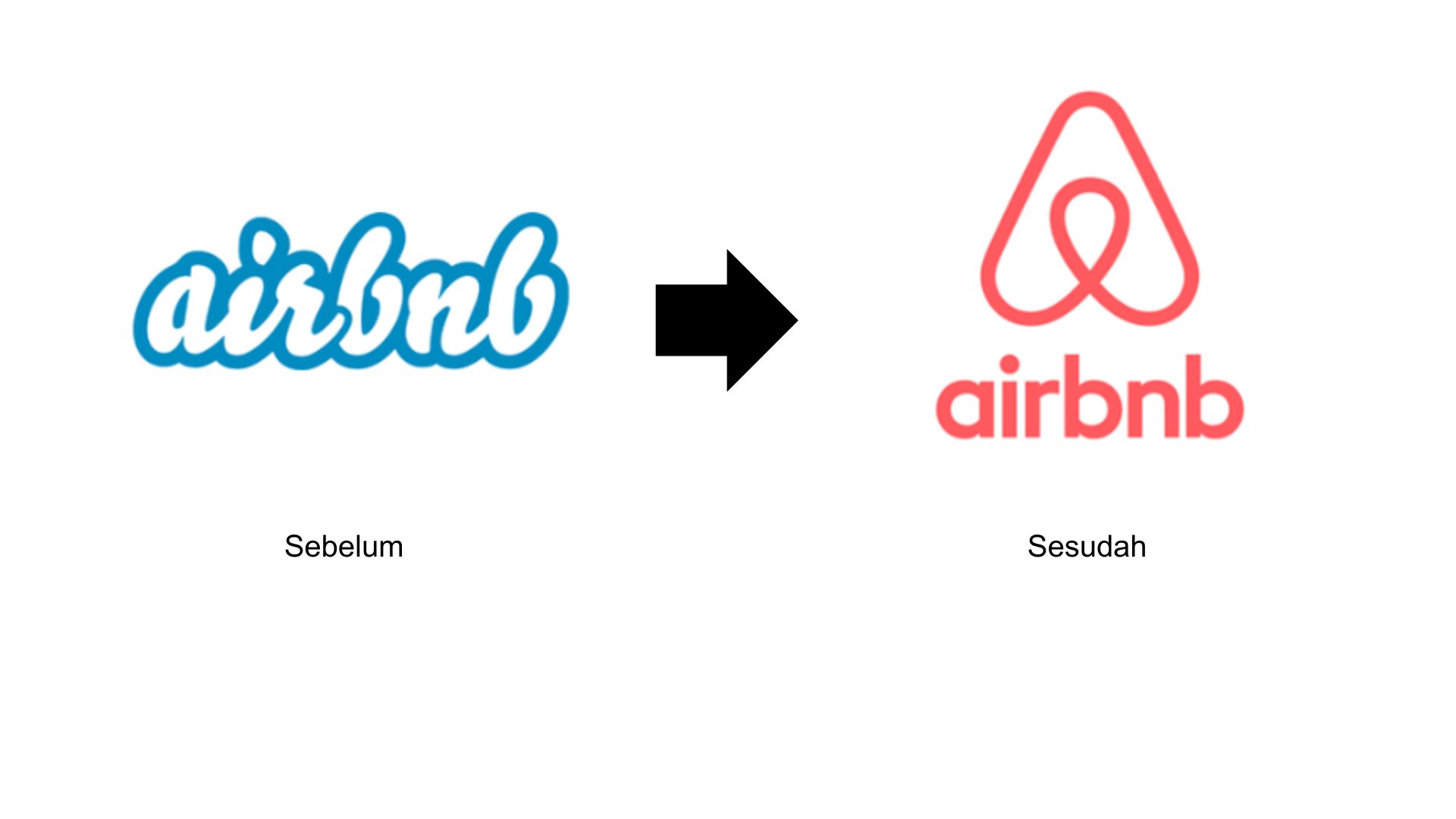
In 2014, Airbnb launched a major rebranding initiative to reflect its evolution from a room-rental platform into a holistic travel experience provider. Airbnb introduced a simple, iconic logo and the slogan “Belong Anywhere,” emphasizing inclusivity and local experiences.
This rebranding strengthened Airbnb’s market position as a platform offering meaningful travel experiences and significantly improved user engagement and satisfaction.
Key Takeaways
-
Rebranding is a strategic initiative to renew and strengthen brand identity in the market.
-
By understanding the definition, benefits, and applying the right strategies, businesses can overcome challenges, seize new opportunities, and improve brand positioning.
-
Well-planned rebranding supported by clear communication ensures meaningful results and stronger audience relationships.
