Mass Media Monitoring Services (Media Monitoring)Media monitoring across print, broadcast, and digital, with concise reports you can act on.

Our media monitoring tracks how your brand and competitors appear in print, broadcast, and digital news, then summarizes it into a short report showing risks, opportunities, and what needs a response.

Contact Us
A team watching news coverage across several monitor screens

How we see media coverage

A woman reading the news on a tablet

Coverage Shapes Reputation

How the media writes about your brand, competitors, and category shapes the perception held by leadership, partners, investors, and the public. Coverage also rarely stays in one channel: news from print or television often moves to digital media and public conversation.

A man reviewing a report on a laptop near an office window

Concise Is More Useful than Complete

Communication teams do not need a thousand clippings. They need the picture: what was reported, who said it, what changed, and what to do. That is why we build reports that can be read quickly and used for decisions.

Why media monitoring should be separated from social listening

Monitoring mass media and reading social media conversation are often treated as the same, but the sources, actors, and questions differ. Media monitoring follows what the media reports, while social listening follows what the audience talks about.

This difference determines how each is read. Coverage has clear sources, a different reach per outlet, and is often quoted again. Social media conversation is more fluid, changes fast, and comes from many voices. A brand serious about protecting its reputation usually needs to read both, but with different tools.

That is why this page covers mass media monitoring only. For reading audience conversation we have a separate social listening service, and for the basics of monitoring social media you can start with the beginner's guide to social media monitoring. When needed, social media monitoring can run alongside as a separate service, so coverage and conversation are read side by side.

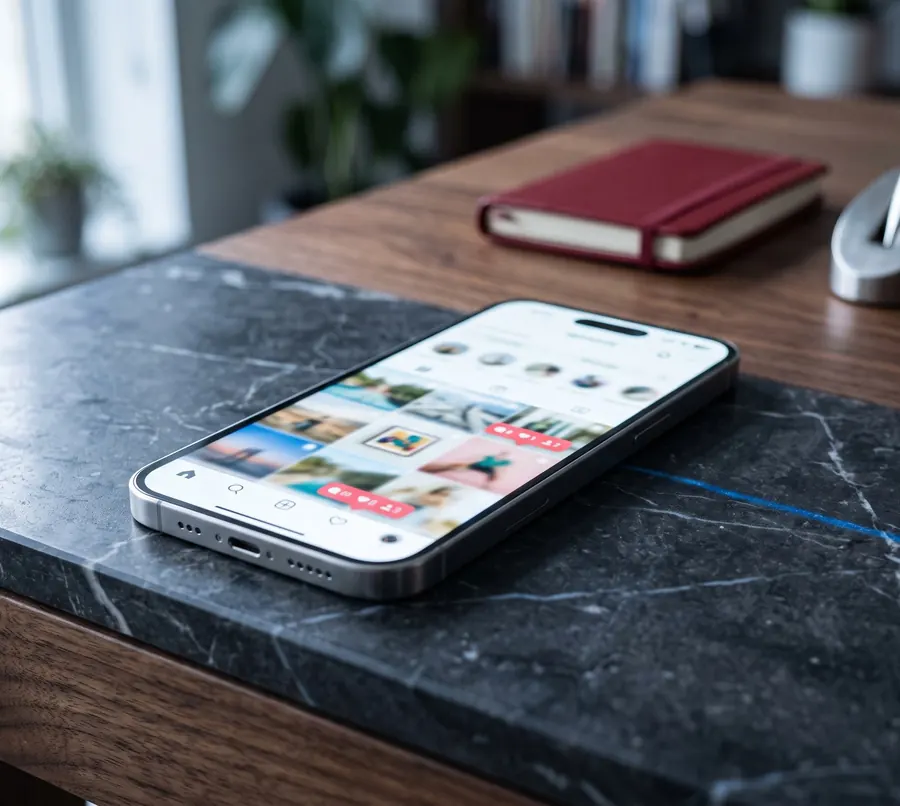
A phone showing news on a work desk

What makes our approach different

One Picture Across Media

We read coverage across print, broadcast, and digital as one picture, so one issue does not look like three separate issues.

Brand, Competitors, and Category

We monitor your brand together with competitors and the category, because your position in coverage only means something when compared with its surroundings.

Concise, With Follow-Up

Our reports are concise and include follow-up notes, including early signs of issues that could become a crisis, not a pile of clippings you have to interpret yourself.

Who this service is for

Corporate communication, public relations, and marketing teams that need to know how their brand and competitors are covered, without reading every outlet every day. Brands launching a product, holding an event, or announcing a corporate action also need a clean reading of their coverage.

Brands that protect their reputation and want to detect issues early, before they become widespread coverage. The need is the same: a media picture you can rely on to make decisions, not a surprise learned from someone else.

Two people discussing a report in a meeting room

How we measure monitoring success

Media monitoring success is judged by usefulness: whether issues are detected on time and whether the report is used for decisions. Before starting, we agree with you on the keywords, the list of relevant media, and the indicators to read, for example coverage volume and tone, who the sources are, and your position against competitors.

We adjust the report rhythm to your team's needs. If an issue could grow, we raise it outside the report schedule so your team has time to prepare a response.

Start with IDEOWORKS.id

Discover

It all starts with a conversation about your brand, competitors, and the issues you want to monitor. No obligation, and you still take home a useful first picture.

Plan

We then set up the keywords, media scope, and report format, agreed before monitoring begins.

Deliver

Once running, we send reports at the agreed rhythm and raise important issues immediately, with follow-up notes included.

Questions about media monitoring

What is media monitoring and what does it track?

Media monitoring is tracking coverage that mentions a brand, competitor, public figure, or specific topic in print, broadcast, and digital media. The result is a picture of what was reported, its tone, and what needs a response. The work includes setting up keywords, filtering relevant coverage, and summarizing it.

What is the difference between media monitoring and social media monitoring?

Media monitoring tracks coverage in mass media. Social media monitoring tracks mentions and conversation on social media platforms. The sources differ, and so does how they are read. Brands that protect their reputation often use both, and we offer both as separate services that can run together.

What is the difference between media monitoring and social listening?

Social listening reads audience conversation to understand topics, trends, and sentiment, while media monitoring focuses on coverage in mass media. The first helps you understand the audience, the second helps protect reputation and catch issues in coverage.

How does media monitoring help detect a crisis?

Issues usually appear first as small patterns: repeated negative mentions, or a topic starting to be quoted by a few outlets. With continuous monitoring, those patterns can be seen earlier, so the team has time to prepare a statement and response, instead of reacting only after the issue has grown.

How do I measure the results of media monitoring?

Measures follow the goal: coverage volume and tone, the sources that write most often, the brand's position against competitors, and how fast important issues reach your team. We agree the indicators at the start and review them regularly.

How often are reports sent?

The rhythm is set to your needs, for example a periodic summary for the overall picture and separate alerts for issues that need an immediate response. We agree on it before monitoring starts.

What does our team need to prepare?

A list of the brands, products, public figures, and competitors you want monitored, plus issues you consider sensitive. From there we draw up keywords and media scope, then confirm them with your team before starting.


Tell us what you need to monitor.

Start with a conversation. No deck, no pitch, just tell us your brand, competitors, and the issues you worry about, and we will help set up the monitoring scope.

A woman relaxing on a sofa