What is omnichannel marketing?
Omnichannel marketing is an approach that connects all brand touchpoints, whether digital, social media, mobile, email, or in person, into one consistent customer experience. The customer journey is the center, not the channel.
What is the difference between omnichannel and multichannel?
Multichannel means a brand is present on many channels, but each channel runs on its own. Omnichannel unifies data and messages across channels so the customer experience continues when they move from one touchpoint to another.
How do we start an omnichannel strategy in a large company?
Start by mapping the customer journey and key segments, then see where the experience breaks. After that, decide which channels and data need to be connected first. Starting with one priority journey is usually more realistic than changing everything at once.
What is the role of data and CRM in omnichannel marketing?
Data and CRM let messages be personalized based on customer behavior, instead of being sent to everyone. We integrate CRM and marketing automation with campaigns, so message triggers follow what the customer has already done.
How do you measure omnichannel marketing results?
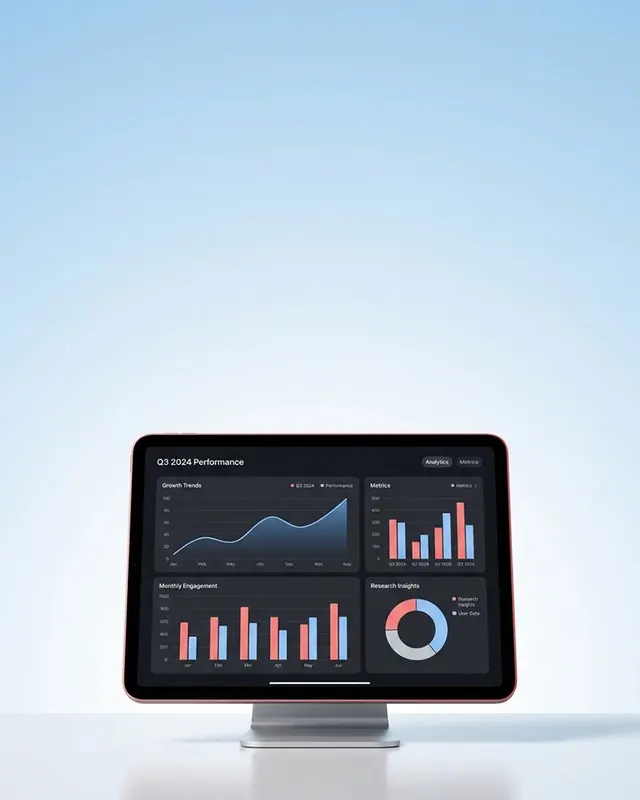
Start from the business goal, then set metrics per journey stage. To assess each channel's contribution we use performance analytics and attribution modeling. Because no model is perfect, we explain the assumptions alongside the numbers.
How long until omnichannel marketing shows results?
It depends on data and system readiness. Improvements that come from messages and campaigns can show sooner, while data integration and cross-team change take several stages. We write the estimated timeline and priorities into the proposal.
How much of our internal team needs to be involved?
Quite a lot at the start, because omnichannel touches marketing, sales, service, and usually the data or IT team. We help align them through a shared journey map and a review schedule, so involvement stays focused and does not take up too much time.