Brand and Marketing Research Service (Brand Audit)Brand audit and market research that turn findings into marketing decisions.

Our brand audit maps your audience, competitors, and category dynamics, so decisions on positioning, creative, and investment priorities rest on evidence, not assumptions. The result is recommendations that marketing teams in Southeast Asia can use right away, not a pile of data.

Contact Us
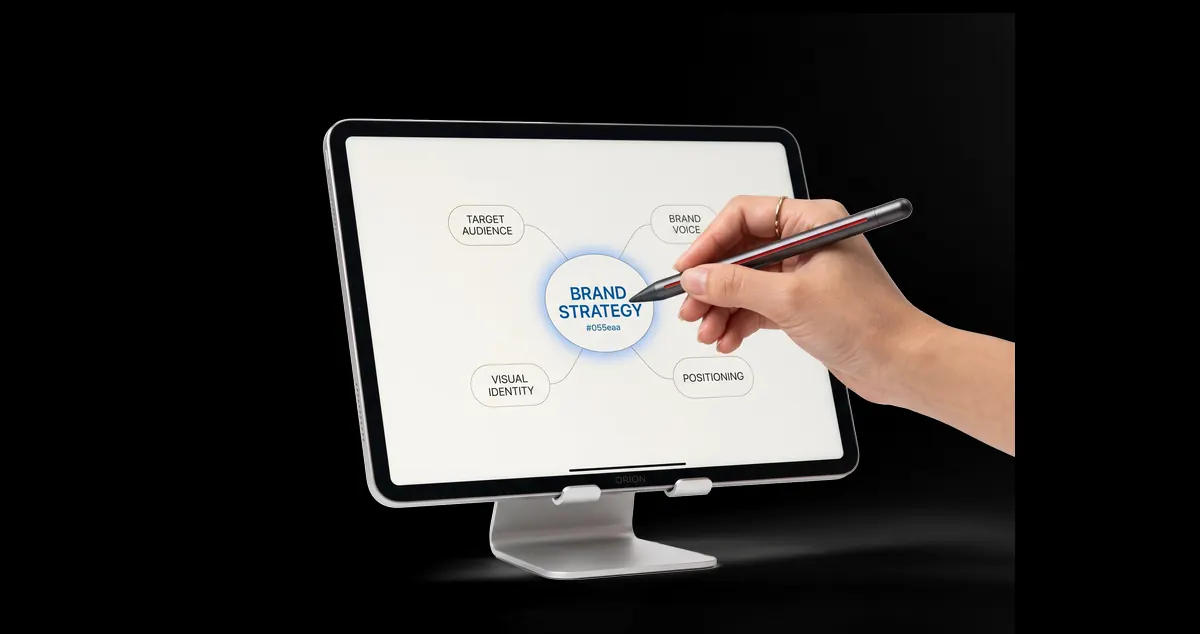
A tablet showing a brand strategy map: target audience, brand voice, positioning

How we see brand and market research

A team mapping research findings on a table

Start with the Decision to Be Made

Good research starts from a business question, not from a method. We first ask which decision is waiting at the end of the research: changing positioning, choosing a market, or deciding where the budget goes. Only then do we define what data is needed.

Observing buyer behavior in a market

A Deep Snapshot, Not Daily Monitoring

Research answers specific questions at a single point in time: who your audience is, how the brand is perceived, and where the opportunities are. Ongoing monitoring of conversations or news coverage is different work, and we keep it separate so each has a clear purpose. Sources can be data you already have, public data, or new research such as a consumer survey when a question is still unanswered.

Why a brand audit should come before adding marketing spend

Many marketing decisions are made from habit and team intuition. That is understandable, but it is risky when a brand enters a new market, changes direction, or starts losing its place in the audience's mind. A brand audit gives you a defensible basis before you increase investment.

A useful audit answers three things: how the brand appears and feels across all audience touchpoints, how its position compares with competitors, and what the audience actually needs from this category. Without all three, even good creative can miss because it speaks to the wrong audience.

We organize findings into a priority order, not a long list that goes nowhere. You can read the framework and steps in our brand audit methodology guide.

Two colleagues discussing findings on a tablet

What makes our research approach different

Recommendations for Decisions

We close every study with recommendations tied directly to marketing decisions, such as positioning, creative direction, and investment priorities, not just a report of findings.

Audience, Competitors, and Category

We read the audience, competitors, and category as one picture, because a brand that only understands itself struggles to see the open space in its market.

Ready to Become a Brief

Because we also do creative and media, we know what teams can use in the field. We write recommendations in language that can be turned directly into briefs.

Who this service is for

Brands about to enter a new market, launch a new product or category, or feel their position blurring among competitors. In these situations, understanding the audience and the competitive map first saves many mid-course corrections.

Marketing teams that need a solid basis for building an annual plan, defending a budget in front of leadership, or aligning agencies and internal teams on one understanding of the brand. The need is the same: decisions that can be explained with evidence.

A team discussing research recommendations with a client

How we measure research success

Research success is measured not by the thickness of the report, but by whether the decision becomes clearer. Before we start, we agree with you on the business questions that must be answered and the form of the output, for example a brand position map, an audience profile, or a ranked list of opportunities.

After the report is delivered, we review together what has been used and what has not. Applied findings can then be tested through the indicators of the next campaign, so the impact of the research is measured as well.

Start with IDEOWORKS.id

Discover

It all starts with a conversation about the decision you are facing and the data you already have. No obligation, and you still take home a useful perspective.

Plan

We then propose the research questions, data sources, and a clear output format, agreed before work begins.

Deliver

Once the research is done, we present the findings and recommendations with your team, then help translate them into next steps.

Questions about brand audits and marketing research

What is a brand audit and what does it examine?

A brand audit is a thorough check of the condition of a brand: how it appears across touchpoints, how the audience interprets it, and where it stands against competitors. The result is a picture of strengths, gaps, and improvement priorities, not just a visual assessment.

When should a brand do a brand audit?

Common moments are before entering a new market, before a rebrand or positioning change, when growth slows without a clear cause, or ahead of annual planning. The point is to do it before a big decision, not after.

How is brand and market research different from social listening and media monitoring?

Research answers specific questions at a single point in time, for example who the key audience is and how they perceive the brand. Social listening reads social media conversations continuously, while media monitoring tracks coverage in mass media. The three complement each other and can be run together.

What data is used in this research?

We start with the data you already have and relevant public data, then add new research when a question is still unanswered. The choice of sources follows the business question, not the other way around.

How do we measure whether this research is useful?

By checking whether the pending decision becomes clearer, and whether the recommendations are actually used in briefs, media plans, or creative direction. We agree the indicators at the start, then review them after the recommendations are put into action.

How long does the research take?

It depends on the scope of the questions and the data sources. An audit using data that is already available is usually shorter than research that needs new data collection. We put a realistic schedule in the proposal before work begins.

How involved will our team be during the research?

We need you at three points: defining the business question at the start, sharing relevant data or access, and reviewing the findings together before the recommendations are finalized. Beyond that, the work runs on our side.

Tell us about the decision you are facing.

Start with a conversation. No deck, no pitch: just tell us about the brand situation and your questions, and we will help define the research that fits best.

A woman relaxing on a sofa