Omni Channel Marketing ServiceOmnichannel marketing for enterprise brands that want customers to experience one consistent brand at every touchpoint.

We design omnichannel marketing so customers meet a consistent message across digital, social media, mobile, email, and direct touchpoints. We work for enterprise brands in finance, healthcare, tech, energy, and manufacturing, with connected data and measurable results.

Contact Us
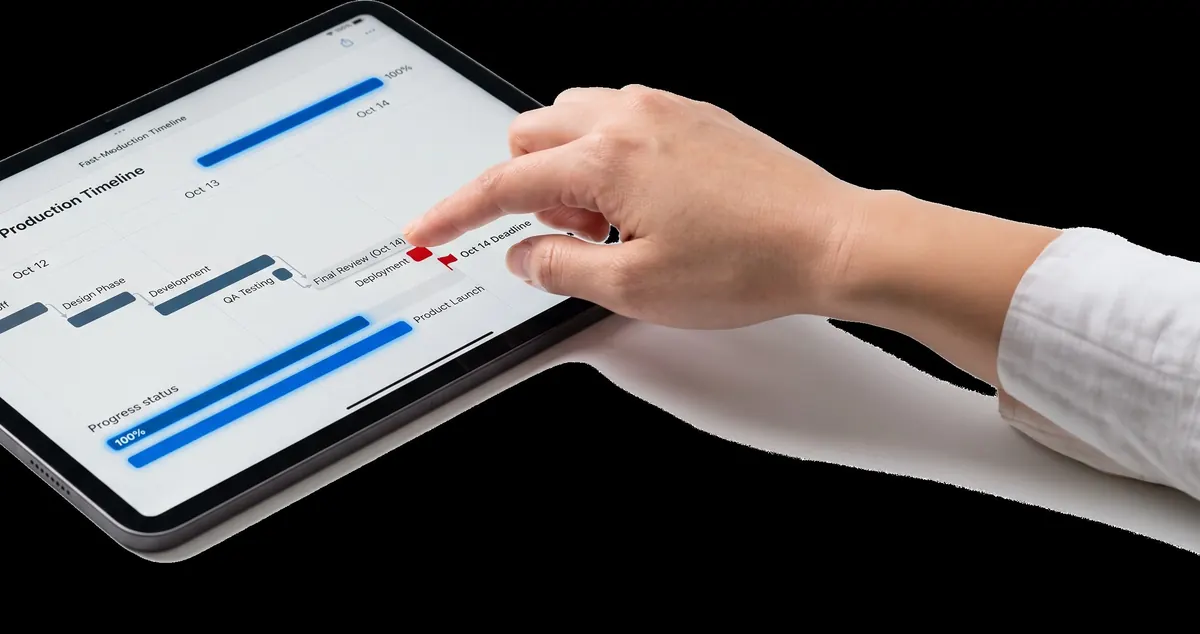
Hand pointing at a campaign timeline on a tablet screen

How we look at the cross-channel experience

Marketing team discussing in front of a dashboard

Customers Do Not Know Your Departments

To customers, ads, email, apps, and sales staff are one brand. An experience split across teams is felt right away. That is why we design from the customer journey, not from the org structure or a list of channels.

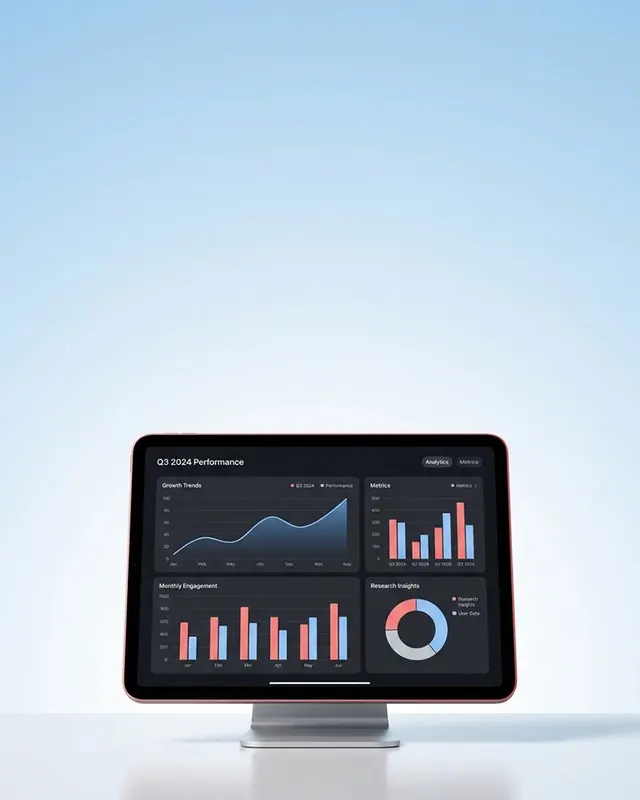
Team reviewing performance charts on a laptop and tablet

Consistency Needs Connected Data

The same message everywhere is not enough if each channel does not know what the customer has already seen. Data and system integration is the work that makes messages relevant, not just uniform.

Omnichannel marketing is more than being present on many channels

Being present on many channels is multichannel. Omnichannel means those channels know about each other, so a customer moving from one touchpoint to another does not have to start over.

At large brands, the obstacle is usually not too few channels but silos. Marketing, sales, and service teams each hold their own data and messages, so customers receive offers that overlap or contradict each other.

We help bridge those silos through journey mapping, segmentation, and campaigns designed across channels from the start. For the strategic foundation behind all of this, read steps to build an effective marketing strategy.

Two people talking in an office meeting room

What makes our approach different

We start from customer journey mapping and segmentation, not from a list of channels, so every channel has a clear role in the same flow.

We integrate CRM and marketing automation with campaigns, so messages can be personalized with current data and behavior, not just send schedules.

Marketing, sales, and service teams are encouraged to deliver messages in the same direction, and results are read through cross-channel analytics and attribution.

Who this service is for

Enterprise brands in finance, healthcare, tech, energy, and manufacturing that have many touchpoints and many teams, and feel their customer experience is not yet unified across all channels.

Teams driving B2B pipeline growth, launching new products, or improving customer retention, who need messages that are consistent, relevant, and measurable across all platforms.

How we measure success

Measurement starts from the business goal: pipeline growth, product launch, or retention. From there we set metrics at each stage of the journey, so it is clear where customers move forward and where they stall.

Because customers touch many channels before acting, we use performance analytics and attribution modeling to assess each channel's contribution. We also state the limits of the model used, so the numbers are read correctly.

Start with IDEOWORKS.id

Discover

We start by understanding your goals, existing touchpoints, and the data systems you use today. No obligation, and you still get a useful first view.

Plan

Then we propose a journey map, segmentation, and a cross-channel campaign plan, including the parts that need to connect with your internal systems and teams.

Deliver

Once live, we run and optimize the campaigns, then report results by journey stage and by channel.

Questions about omnichannel marketing

What is omnichannel marketing?

Omnichannel marketing is an approach that connects all brand touchpoints, whether digital, social media, mobile, email, or in person, into one consistent customer experience. The customer journey is the center, not the channel.

What is the difference between omnichannel and multichannel?

Multichannel means a brand is present on many channels, but each channel runs on its own. Omnichannel unifies data and messages across channels so the customer experience continues when they move from one touchpoint to another.

How do we start an omnichannel strategy in a large company?

Start by mapping the customer journey and key segments, then see where the experience breaks. After that, decide which channels and data need to be connected first. Starting with one priority journey is usually more realistic than changing everything at once.

What is the role of data and CRM in omnichannel marketing?

Data and CRM let messages be personalized based on customer behavior, instead of being sent to everyone. We integrate CRM and marketing automation with campaigns, so message triggers follow what the customer has already done.

How do you measure omnichannel marketing results?

Start from the business goal, then set metrics per journey stage. To assess each channel's contribution we use performance analytics and attribution modeling. Because no model is perfect, we explain the assumptions alongside the numbers.

How long until omnichannel marketing shows results?

It depends on data and system readiness. Improvements that come from messages and campaigns can show sooner, while data integration and cross-team change take several stages. We write the estimated timeline and priorities into the proposal.

How much of our internal team needs to be involved?

Quite a lot at the start, because omnichannel touches marketing, sales, service, and usually the data or IT team. We help align them through a shared journey map and a review schedule, so involvement stays focused and does not take up too much time.

Tell us which touchpoints you want to unify.

Start with a conversation. Just describe the channels you run and where the customer experience feels disconnected, and we will help map out the first step.

Smiling woman looking at a smartphone